Windows are crucial architectural features that contribute to both the aesthetic appeal and functionality of a home. Over time, however, they can become compromised due to several factors, leading to the need for repairs. Whether it’s due to wear and tear or sudden damage, understanding the process and benefits of window repair is essential. Proper maintenance can enhance energy efficiency and improve indoor comfort by preventing drafts and noise intrusion.
This article will guide you through the process of window repair, helping you understand when and how these repairs should be performed.
What Are the Common Causes for Window Damage?
Several factors contribute to window damage, and identification is key to effective repair. Natural wear due to aging materials is one of the most prevalent causes, weakening window seals and frames. Environmental conditions like storms can also cause immediate damage such as cracks and broken panes. Human impact, whether accidental or intentional, can lead to shattered glass and impaired locking mechanisms. Regular inspection is vital to identify these issues early and plan for prompt window repair, preventing more extensive and costly damages.
Exposure to the elements significantly affects window integrity over time. UV rays from sunlight can degrade materials, leading to fading and weakening of frames. Rain and moisture can penetrate poorly sealed areas, leading to wood rot in traditional frames. Similarly, metal frames may suffer from corrosion, impacting their strength and aesthetics. Understanding these common causes allows homeowners to take preventive measures and seek timely window repair services to extend the life of their windows.
Improper installation is another cause of window damage often overlooked. Poor installation can lead to gaps, leading to air leaks and exposure to the elements. In the case of wooden windows, this can accelerate the onset of rotting due to moisture exposure. Additionally, windows improperly installed may not operate smoothly, causing unnecessary wear on components. Adequately addressing installation issues during the repair process can help assure longevity and optimal performance.
How Do You Assess the Damage on Windows?
Assessing window damage involves several steps to identify both visible and hidden issues. Initially, a visual inspection for cracks, gaps, and deterioration in window components is conducted. It’s crucial to check for drafts by feeling around the edges where cold air might seep in, indicating faulty seals. Moisture between glass panes signifies compromised seals in double-pane windows. Furthermore, operating the windows can reveal issues with balance, indicating potential hardware failures requiring repair or replacement.
During a detailed assessment, attention should be paid to the frame and surrounding wall conditions. Signs of water damage or warping in wooden frames could indicate the need for substantial repairs. Metal frames require checking for signs of corrosion which can weaken the structure over time. Additionally, looking for misalignment can hint at foundational issues that might need addressing along with the window repair. Prompt detection and repair of such issues can prevent more significant structural problems from developing.
The final aspect of the assessment should involve analyzing the energy efficiency of the window. Using an infrared thermometer can help assess heat loss, identifying areas where repair could improve insulation. This can contribute to significant energy savings and home comfort. Also, ensuring the glass is intact and clean contributes to maximum natural light utilization. Understanding these factors plays a fundamental role in planning the necessary repairs for both immediate safety and long-term efficiency.
What Are the Steps Involved in Repairing a Window?
Window repair typically follows a series of structured steps aimed at restoring function and appearance. Initially, any removable parts are gently detached to access the areas needing repair. This includes removing sashes, disengaging locks, or loosening frames where necessary. Damages such as cracks or chips should be repaired immediately using appropriate fillers or glass replacement solutions. Cleaning surfaces prior to repair ensures better adhesion and longevity of the repair work performed.
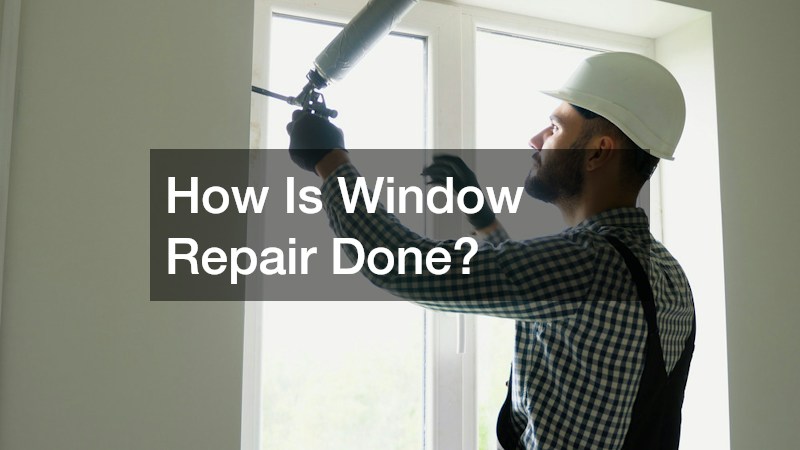
Following the initial repair of visible damage, attention is given to sealing and insulation. Weatherproofing strips can be reapplied or replaced to reinstate their efficiency. Caulk and sealants are also reapplied, addressing any gaps that could allow moisture intrusion. This step is crucial in enhancing the energy efficiency of the repaired window. Additionally, adjustments to hardware components are made to ensure smooth operation upon reassembly.
Finally, reassembly of the window components is completed, and necessary tests are conducted. Ensuring the balance and alignment of the window guarantees long-term functionality. Reinstallation involves careful fitting within the frame to prevent future issues related to drafts or operational difficulty. A post-repair inspection ensures all components are working as intended. These carefully executed steps ensure the repaired window provides reliable service and aesthetic appeal.
What Tools and Materials Are Needed for Window Repair?
The right set of tools and materials is essential for conducting effective window repairs. Basic tools include a utility knife, pliers, and screwdrivers, necessary for disassembling window components. Sealants and caulking guns are vital for resealing around the repaired areas. Glass cutters and replacement glass, along with frames or weather stripping materials, are necessary depending on the nature of the repair. Having these at hand ensures that the repair process proceeds without unnecessary delays.
Specialist tools might be necessary for specific tasks, such as glazing points and pliers for replacing glass panes. Additionally, heat guns can help soften old putty for easy removal. In cases of wooden frame repair, sanding tools for surface preparation and paint for finishing are necessary. Metal frame repairs might require rust inhibitors and protective coatings for longevity. These tools and materials ensure that repairs are comprehensive, addressing both surface and structural concerns.
It’s advisable to have safety gear such as goggles and gloves, especially when dealing with glass. Working with sharp tools and broken glass poses significant risks, emphasizing the importance of personal safety during the repair process. Advancing technological innovations continue to introduce new repair materials designed to offer better efficiency and durability. Staying informed of these advancements can lead to superior quality repairs. Consequently, a well-stocked set of tools and materials facilitates efficient and long-lasting window repair solutions.
How Much Does Window Repair Typically Cost?
The cost of window repair can vary significantly based on the extent of the damage and the window type. Minor repairs involving resealing or hardware adjustment tend to be more affordable. Complex issues like glass replacement or frame repairs can incur higher costs due to increased labor and materials. Double-pane windows, for instance, can be more expensive to repair owing to their intricate insulation properties. Understanding the nature and scope of damage is crucial in estimating the budget for window repair efforts.
Local factors can also influence repair costs, including labor rates and material availability. Urban areas might see higher labor charges compared to more rural settings. Additionally, specialty glass or imported materials could increase costs. Obtaining multiple quotes from licensed professionals ensures competitive pricing and quality assurance. Such diligence not only manages repair costs but also protects against substandard repair work.
Homeowners should also consider potential long-term savings from timely repairs. Addressing issues promptly can enhance the window’s thermal performance, reducing energy bills. Additionally, maintaining windows in good condition prolongs their lifespan, deferring eventual replacement costs. Cost-effective repair solutions not only address current issues but can significantly contribute to the overall integrity of the home. Recognizing the cost-benefit balance is essential in prioritizing window repair as a critical home maintenance task.
Window repair is a multifaceted process that requires understanding the causes of damage and assessing the extent accurately. By undertaking regular inspections and addressing issues promptly, homeowners can enhance the longevity and performance of their windows. The repair process involves removing, repairing, and reassembling components, utilizing specific tools and materials essential for effectiveness. Additionally, considering cost estimation and opting for professional services ensures quality repairs and value for money.
The importance of timely repairs cannot be overstressed, given the potential savings and improvements to home comfort. This article has outlined various aspects of the repair process, providing a comprehensive guide to managing window issues effectively. For those who wish to explore further, numerous resources are available detailing advanced repair techniques and innovations in window technology. Staying informed and proactive in maintenance practices will undoubtedly lead to rewarding payoffs in window longevity and performance.